Jingmai Sheng Tea
Jingmai Raw Pu-erh · Jingmai Puer
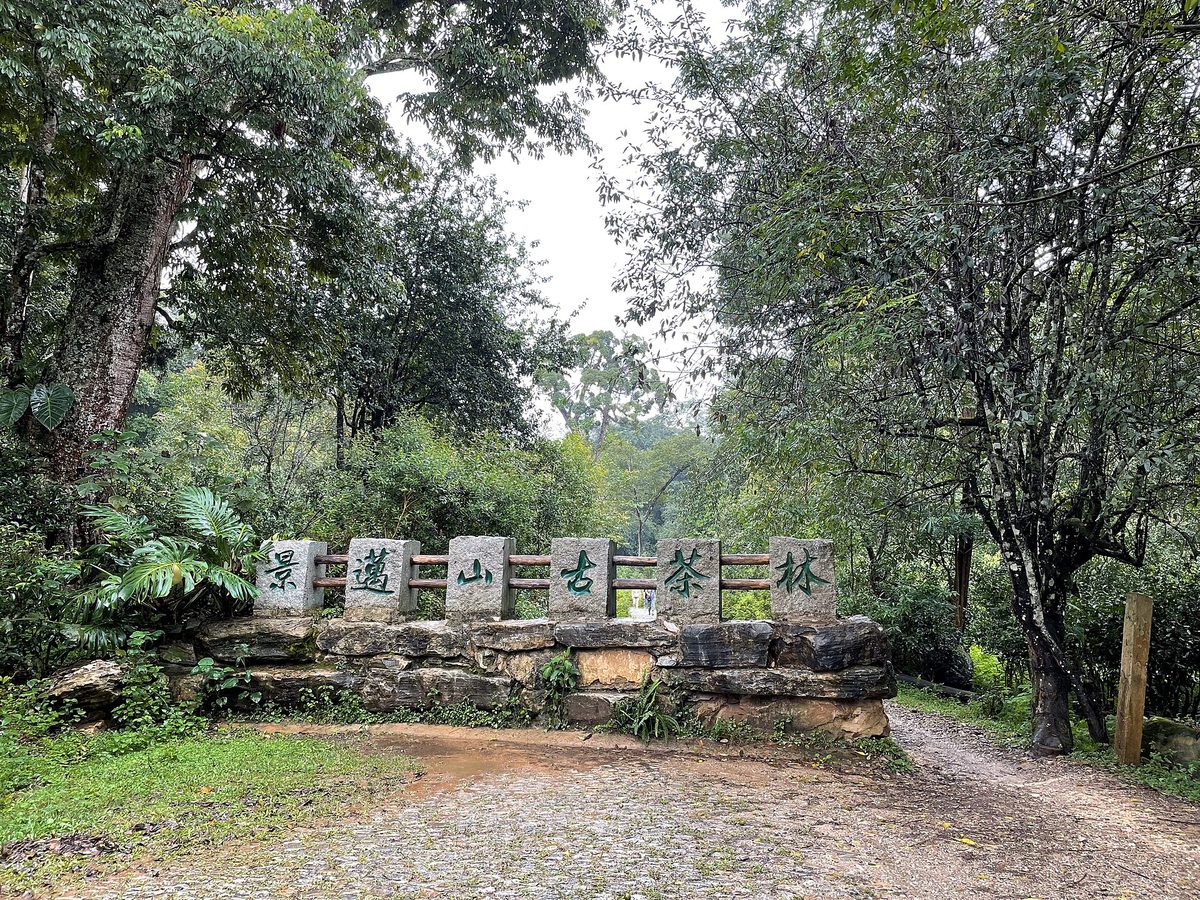
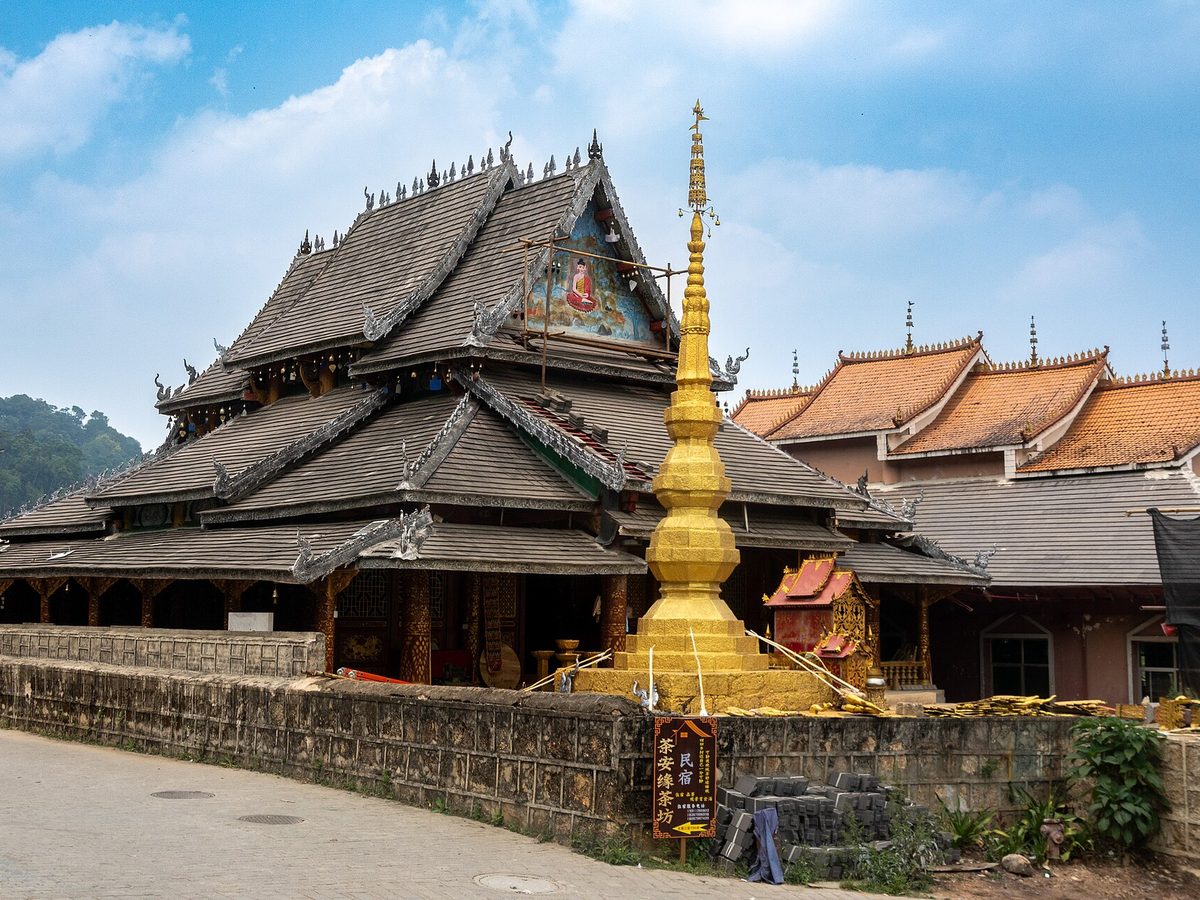
Jingmai sheng comes from ancient tea gardens on Jingmai mountain, where tea trees grow among forest and are traditionally tended by the Blang and Dai peoples.
Flavor Profile
What does Jingmai Sheng taste like?
Jingmai sheng comes from ancient tea gardens on Jingmai mountain, where tea trees grow among forest and are traditionally tended by the Blang and Dai peoples. The cup is aromatic and honeyed, with orchard-fruit sweetness, orchid florals, and a clean, slightly bitter backbone that resolves into a long sweet finish. Jingmai teas are known for their fragrance and balance, and they age gracefully into woody, date-like depth.
Bar length reflects the relative prominence of each flavor note (dominant first), not a laboratory measurement.
Origin
Yunnan (Jingmai), China
Jingmai mountain, in Pu'er prefecture, Yunnan, holds some of the world's oldest cultivated tea gardens.
The birthplace of tea, producing every major tea style from green to dark.
Brewing Guide
How to Brew Jingmai Sheng
Brewing parameters are a starting point and can be adjusted to taste.
Caffeine
Caffeine in Jingmai Sheng
Typical brewed serving
Jingmai Sheng is a medium-caffeine pu-erh. A typical brewed serving contains about 30–60 mg of caffeine.
Values can vary depending on quantity, brewing time, serving size, and preparation method.
Keep Exploring
If you like Jingmai Sheng
Side by Side
Want to see how Jingmai Sheng compares?
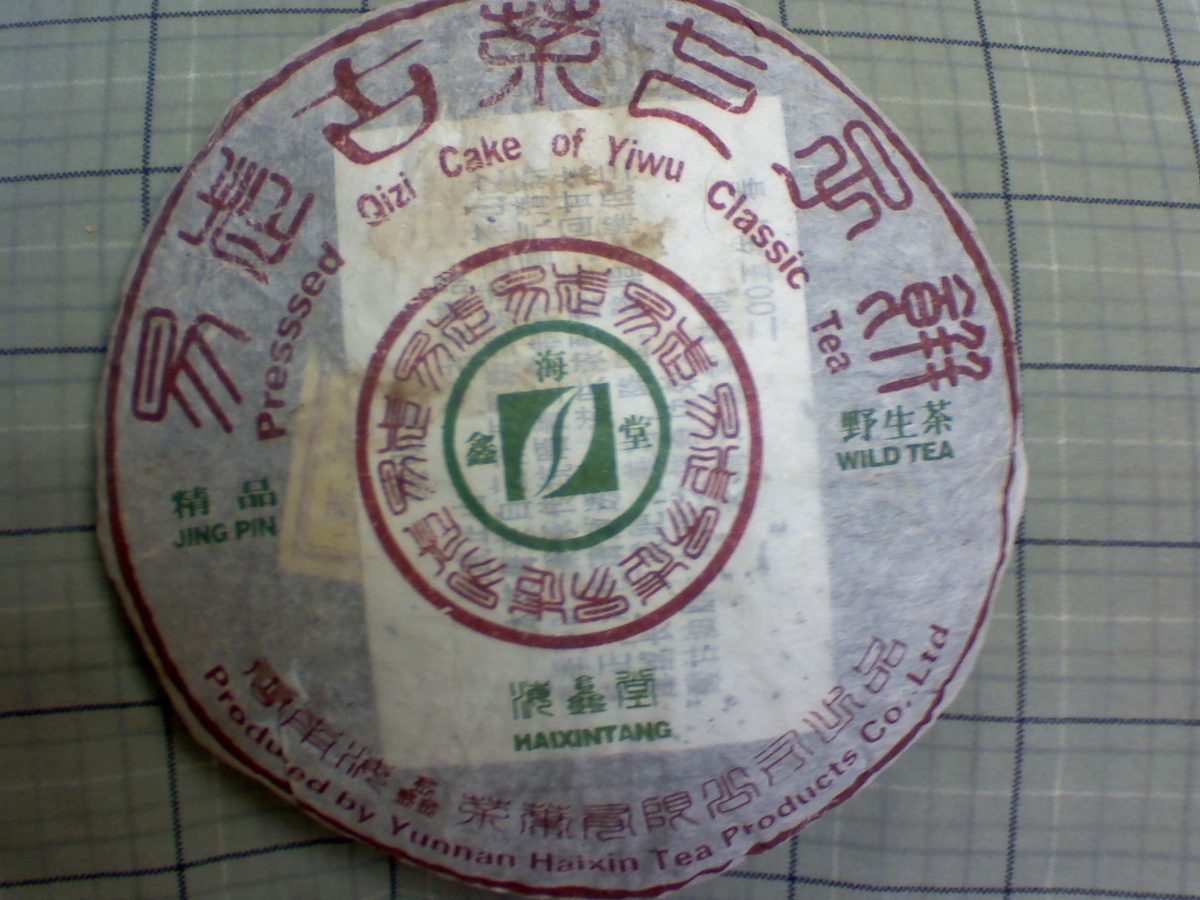
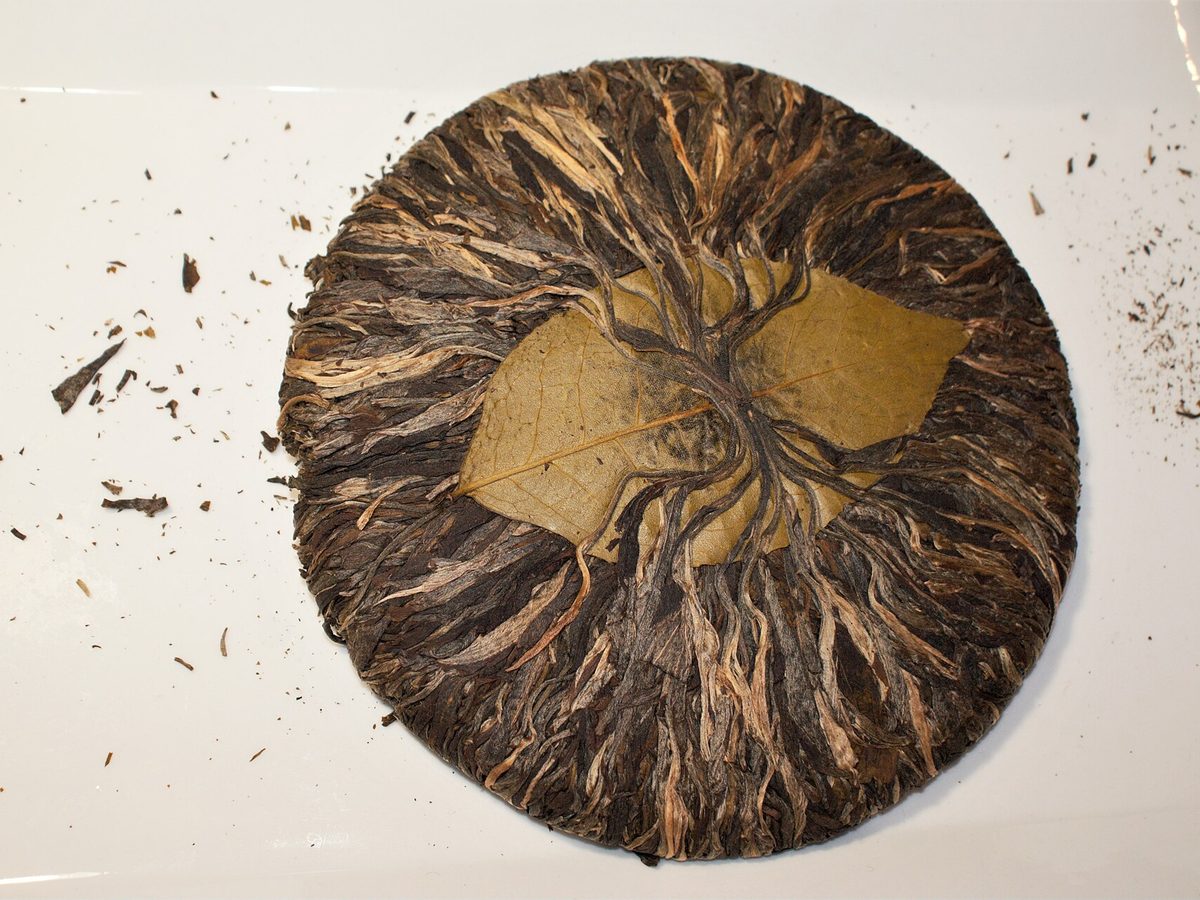
Put Jingmai Sheng next to Yiwu Sheng and compare flavor, origin, caffeine, and brewing side by side.
FAQ
Jingmai Sheng Tea FAQ
Quick answers about Jingmai Sheng tea, drawn from its flavor, origin, caffeine, and brewing profile.
What is Jingmai Sheng tea?
Jingmai sheng comes from ancient tea gardens on Jingmai mountain, where tea trees grow among forest and are traditionally tended by the Blang and Dai peoples. It is also known as Jingmai Raw Pu-erh and Jingmai Puer.
Does Jingmai Sheng tea have caffeine?
Yes. Jingmai Sheng is a medium-caffeine tea, typically 30–60 mg per brewed serving.
What does Jingmai Sheng tea taste like?
Jingmai Sheng is known for a profile led by Honeyed, Floral, and Fruity, with a medium body.
How do you brew Jingmai Sheng tea?
Use about 5 g of tea per 250 ml of water at 95–100°C, steeping for 0.5–1 minutes. It can be re-steeped 6–10 times.
Is Jingmai Sheng tea bitter?
Bitterness is not a defining note of Jingmai Sheng; its profile centers on Honeyed, Floral, and Fruity.