Matcha Tea
Matcha is shade-grown tea ground into a fine powder, so you consume the whole leaf.
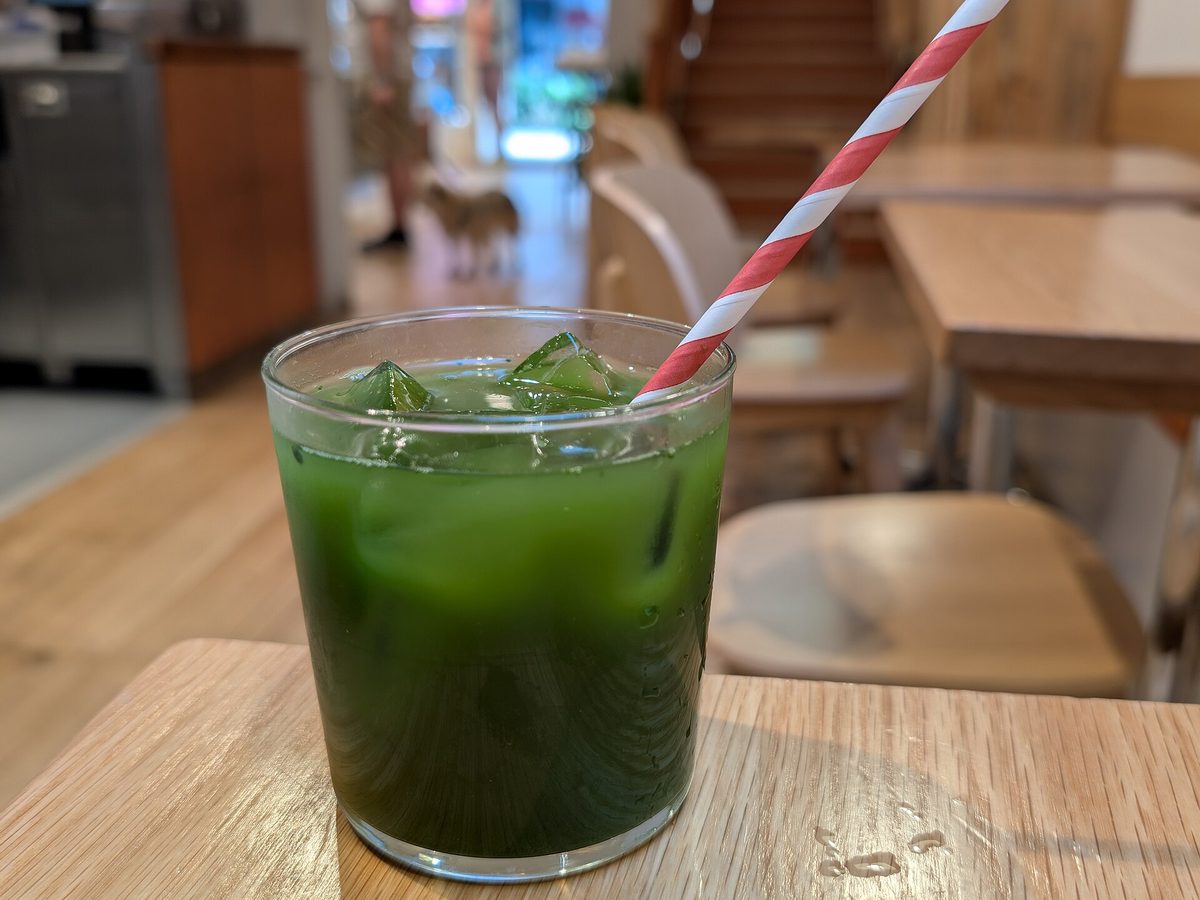
Flavor Profile
What does Matcha taste like?
Matcha is shade-grown tea ground into a fine powder, so you consume the whole leaf. Whisked with water, it produces a creamy, vivid green cup with rich umami, natural sweetness, and a soft vegetal edge. Quality ranges from everyday usucha to thick, intense koicha. Because nothing is strained out, the body is fuller than any steeped green tea.
Bar length reflects the relative prominence of each flavor note (dominant first), not a laboratory measurement.
Origin
Uji, Japan
Uji and Nishio (Aichi) produce most of Japan's ceremonial-grade matcha.
Known for steamed green teas, shade-grown umami, and powdered matcha.
Brewing Guide
How to Brew Matcha
Brewing parameters are a starting point and can be adjusted to taste.
Caffeine
Caffeine in Matcha
Typical brewed serving
Matcha is a high-caffeine green tea. A typical brewed serving contains about 50–80 mg of caffeine.
Values can vary depending on quantity, brewing time, serving size, and preparation method.
Keep Exploring
If you like Matcha
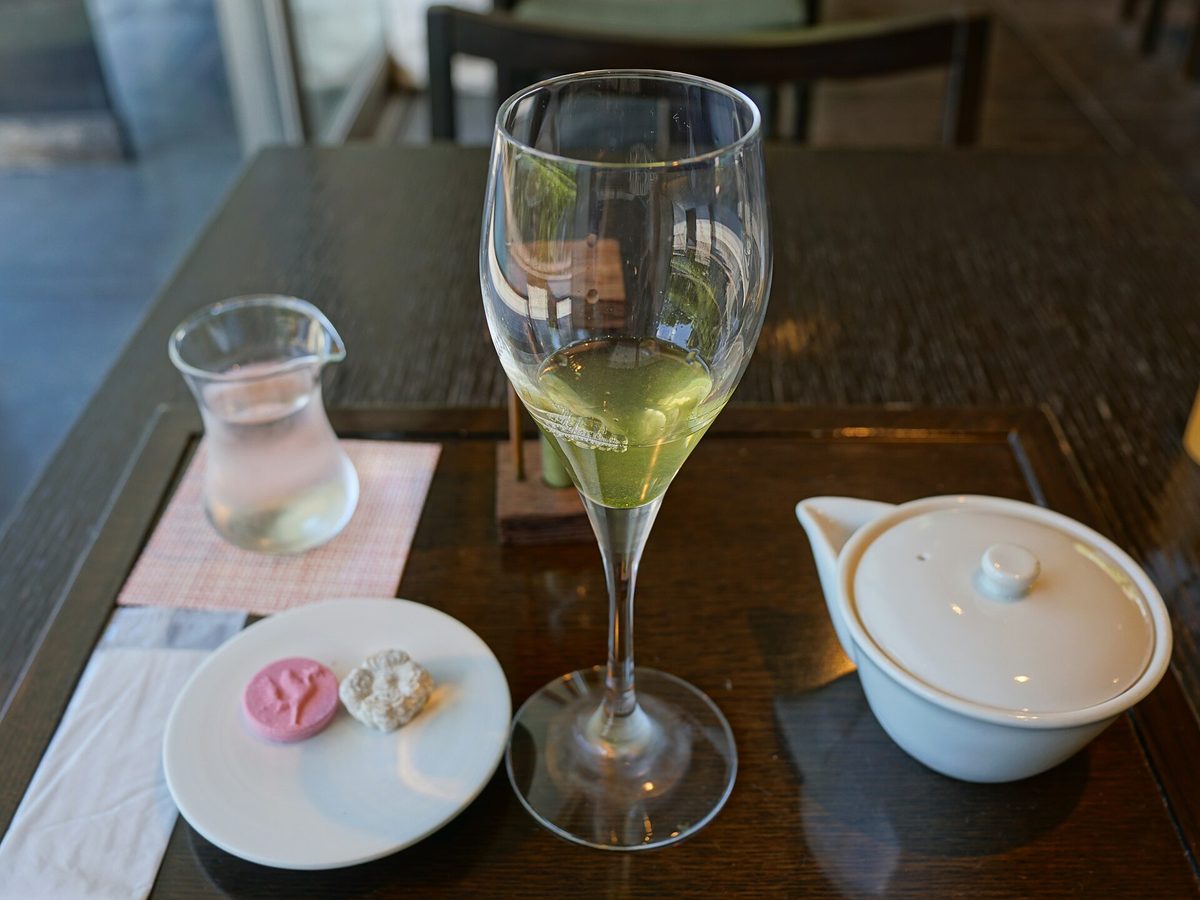
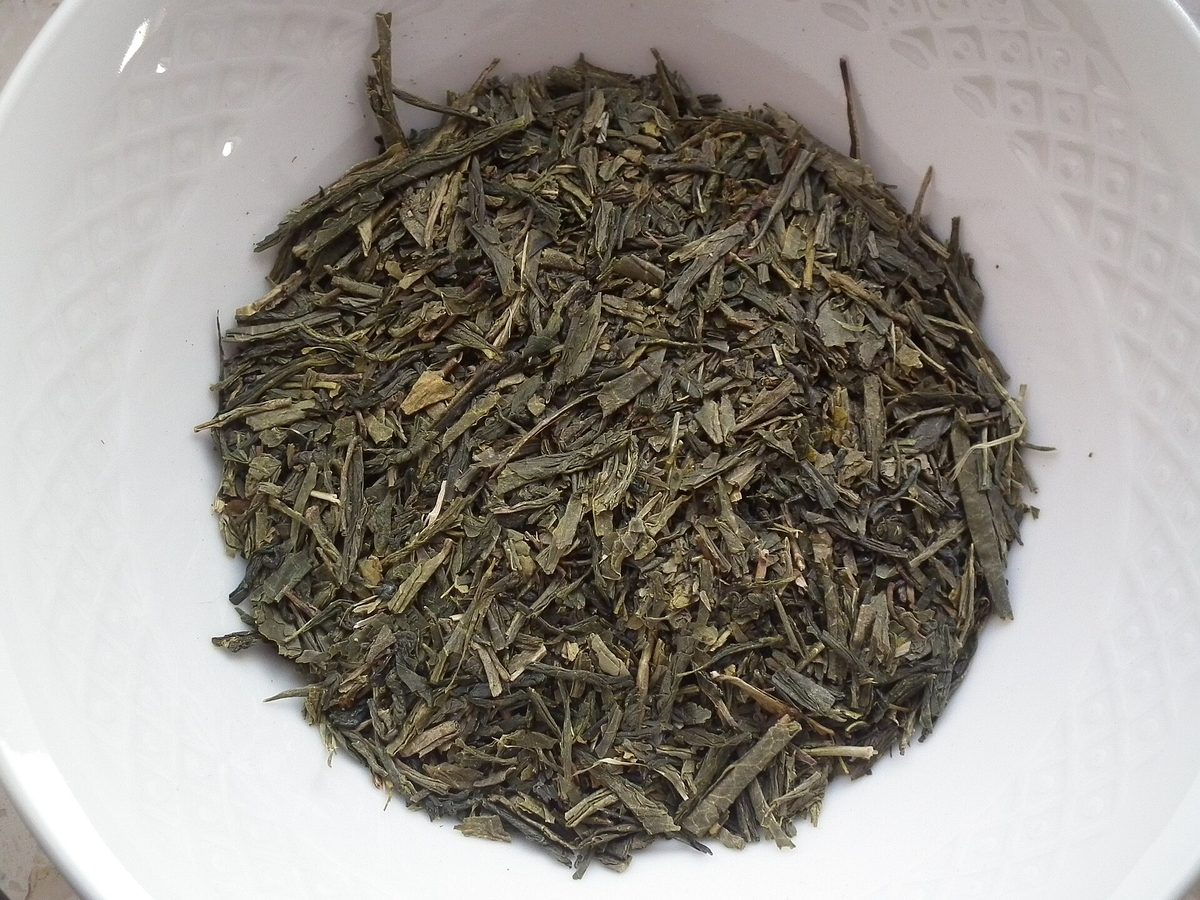
Side by Side
Want to see how Matcha compares?
Put Matcha next to Sencha and compare flavor, origin, caffeine, and brewing side by side.
FAQ
Matcha Tea FAQ
Quick answers about Matcha tea, drawn from its flavor, origin, caffeine, and brewing profile.
What is Matcha tea?
Matcha is shade-grown tea ground into a fine powder, so you consume the whole leaf.
Does Matcha tea have caffeine?
Yes. Matcha is a high-caffeine tea, typically 50–80 mg per brewed serving.
What does Matcha tea taste like?
Matcha is known for a profile led by Umami, Creamy, and Sweet, with a medium body.
How do you brew Matcha tea?
Whisk about 2 g of Matcha with 70 ml of water at 70–80°C until frothy.
Is Matcha tea bitter?
Bitterness is not a defining note of Matcha; its profile centers on Umami, Creamy, and Sweet.